Abha Narain Lambah (India)
Just as Dalila Elkerdany has done in Egypt, Abha Narain Lambah has found her vocation and professional success in the conservation of architectural heritage, but in the vastness and richness of the Indian subcontinent.

Abha Narain Lambah (India)
Just as Dalila Elkerdany has done in Egypt, Abha Narain Lambah has found her vocation and professional success in the conservation of architectural heritage, but in the vastness and richness of the Indian subcontinent.
Abha Narain Lambah (India)
Come Dalila Elkerdany in Egitto, anche Abha Narain Lambah ha trovato la sua vocazione e il successo professionale nel lavoro sulla conservazione del patrimonio architettonico:
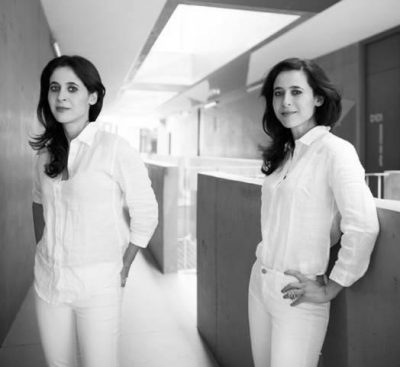
Mikou Studio – Salwa Mikou Selma Mikou (France/Morocco)
The Franco-Moroccan architects Salwa Mikou and Selma Mikou were born and grew up in Fez, where they absorbed the influence of the contrasting light and shadows found in the city’s medina (the largest in the world).
Mikou Studio – Salwa Mikou Selma Mikou (Francia)
Le franco-marocchine Salwa Mikou e Selma Mikou nascono e crescono a Fez, dove subiscono l’influenza dei contrasti di luci e ombre della città di Medina (la più estesa al mondo).
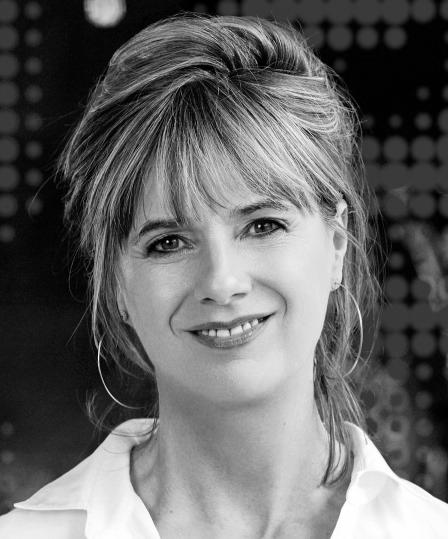
Amanda Levete (Great Britain)
Active for years within the Future Systems studio and independently since 2009, Amanda Levete inherits the culture of avant garde construction, with the belief that every architectural project should be represent a form of innovation.
Amanda Levete (Gran Bretagna)
Per anni attiva nello studio Future Systems, dal 2009 come indipendente, Amanda Levete eredita la cultura della costruzione d’avanguardia, convinta che ogni progetto architettonico debba costituire una forma di innovazione.

Mao Harada (Japan)
Mao Harada appears to be part of the first generation of Japanese architects that are aware of the inherent limitations of modernism, and as such, understands architecture and the city not as outcomes of a unique sequence of logic and reasoning but as a complex, sometimes contradictory, and always non-deterministic organism.
Mao Harada (Giappone)
Mao Harada si sente parte della prima generazione di architetti giapponesi consci dei limiti intrinsechi del modernismo e, in quanto tale, concepisce l’architettura e la città non come l’esito di una sequenza logica e univoca di ragionamenti ma come un organismo complesso e talvolta anche contraddittorio, sempre non determinista.
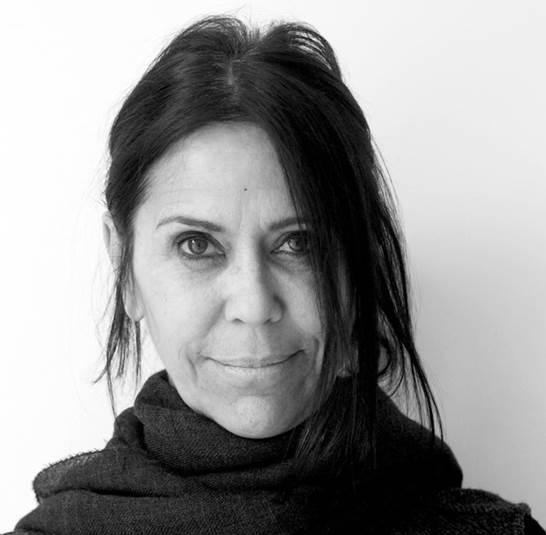
Pat Hanson (Canada)
The idea that architecture must move beyond mere functional response to true needs drives the work of Pat Hanson, one of the most dynamic designers from the new Canadian school.
Pat Hanson (Canada)
L’idea che l’architettura debba andare oltre la mera risposta funzionale ai bisogni alimenta tutto il lavoro di Pat Hanson, tra le progettiste più dinamiche della nuova scuola canadese.